

































Monastery of Ayia Napa - Drive There Without a Deposit
The Monastery of Ayia Napa sits at the very heart of town - a beautifully preserved 16th-century Venetian landmark surrounded by fig trees and a carved stone fountain. Pair your visit with a vehicle rental Ayia Napa booked with no deposit and no credit card, and you have a full cultural day in your own hands.
Discover the Medieval Monastery of Ayia Napa
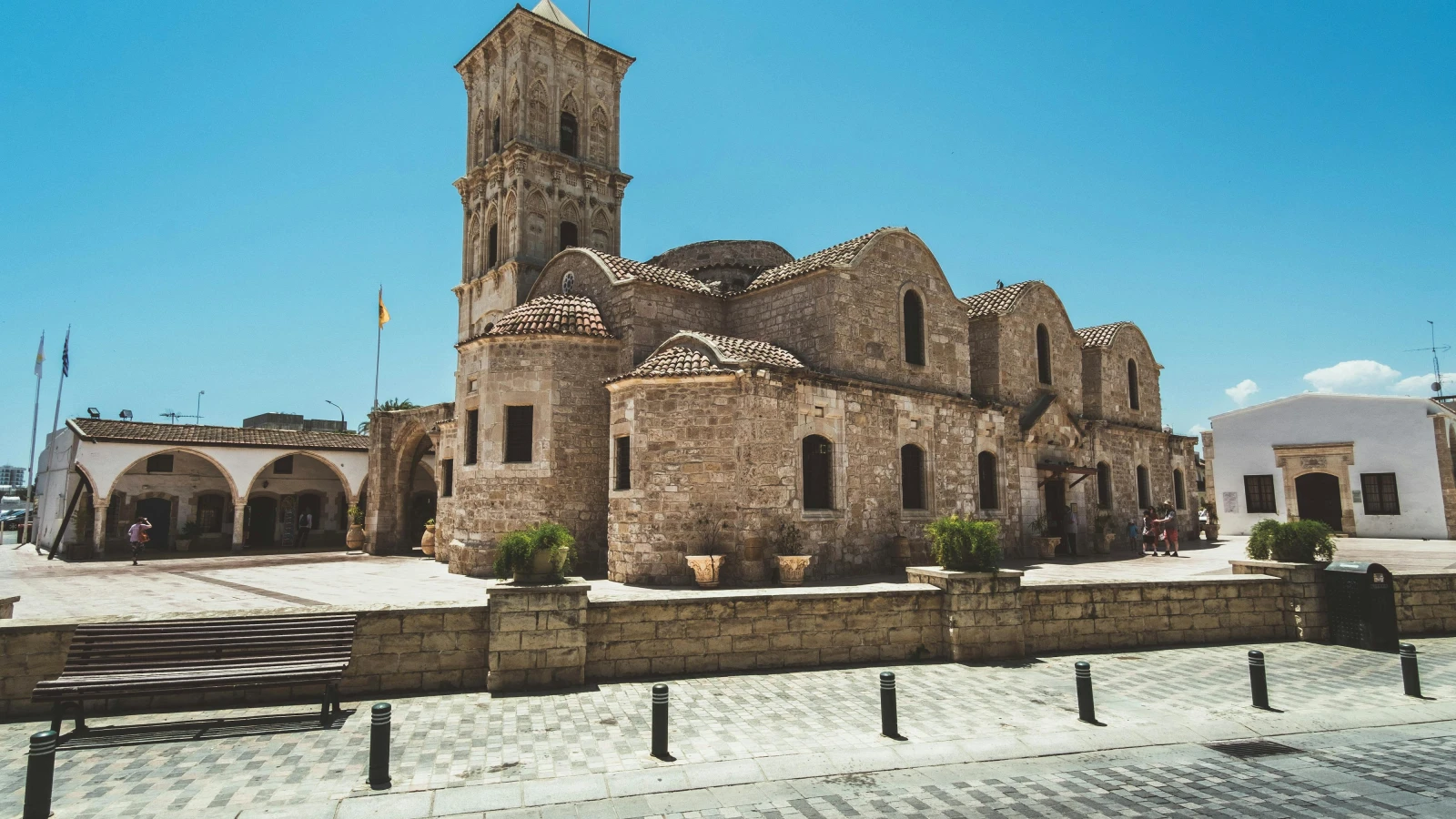
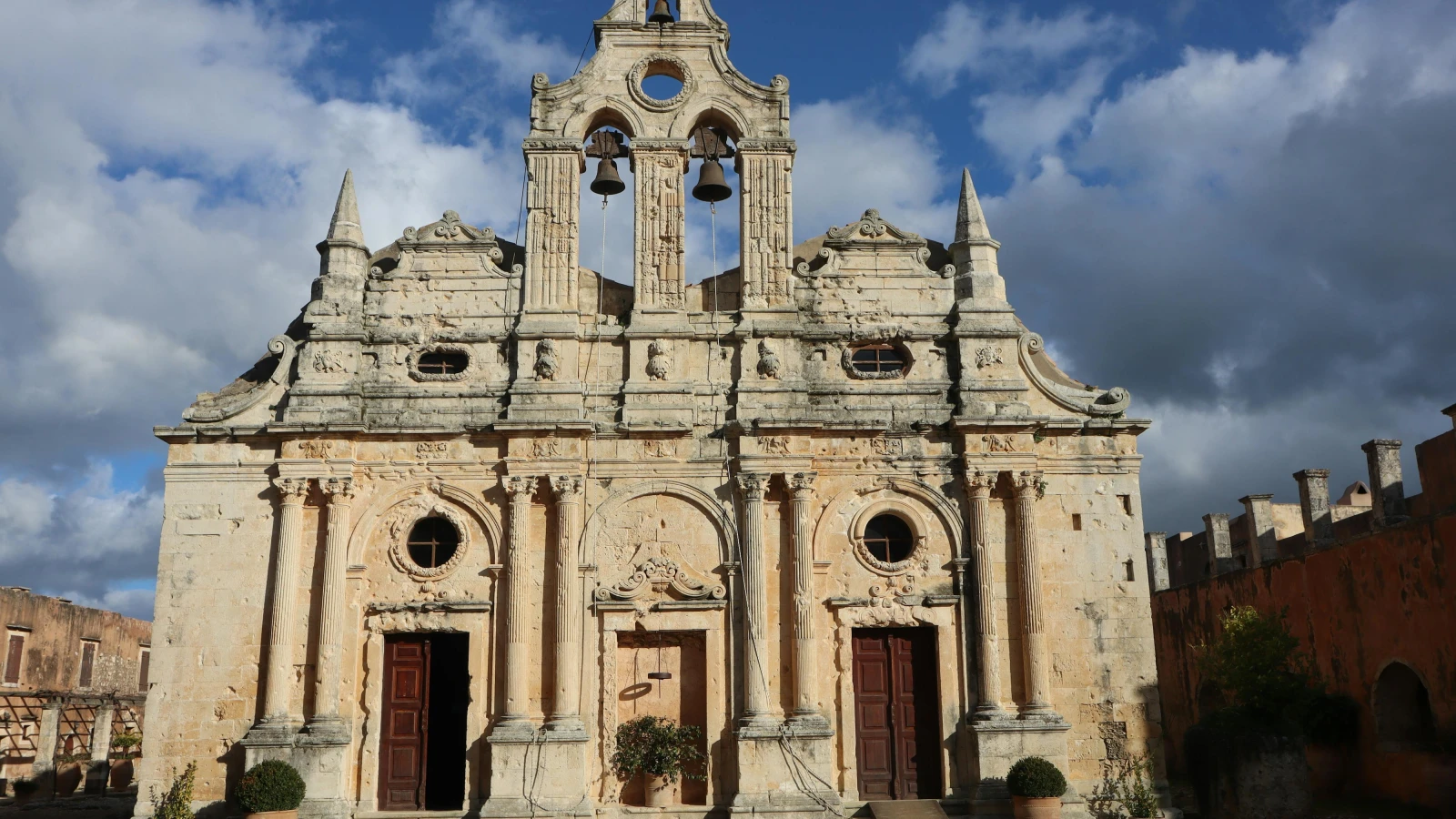
Built by Venetian monks around 1530 on the site of a sacred cave spring, the monastery gave this famous resort town its name. The historic complex includes a Gothic church, a serene cloister courtyard, a carved octagonal fountain, and a small museum. Entry is completely free and the site is open to visitors most mornings. It is compact enough to explore in under an hour, leaving plenty of time to continue your journey east toward Cape Greco or north toward Larnaca with your hired vehicle.
Driving to the Monastery of Ayia Napa from Larnaca Airport
Larnaca International Airport (LCA) sits roughly 45 minutes west of Ayia Napa along the A3 motorway. The monastery is less than 5 minutes by car from almost any hotel in town - it is effectively walkable once you have parked - but having a hire car means you are already mobile for the rest of the day.
Pick up your rental car at Larnaca Airport with a meet-and-greet service at arrivals. Our team will hand you the keys with no paperwork surprises. There is no EUR 800 security hold on your card - just the rental fee itself. Drive straight to your hotel, drop bags, and be at the monastery before mid-morning crowds arrive.
- A3 motorway from Larnaca - fast and well-signposted
- Parking available on Nissi Avenue and nearby side streets
- From the monastery, Cape Greco is 10 minutes east
- Protaras and Fig Tree Bay are 15 minutes further north
The Venetian Architecture and Historical Heritage
The Monastery of Ayia Napa is a rare and beautifully preserved example of medieval monastic architecture in Cyprus, showing a unique blend of Frankish Gothic and Venetian styles. Built around 1530 during the Venetian administration of the island, the monastery resembles a small castle with its thick, honey-colored limestone walls and high battlements. These defensive features were designed to protect the monastic community from sea raids and the growing threat of Ottoman invasion. The Gothic-style church, which is partially carved into the solid rock cave where the original holy spring flowed, serves as the spiritual heart of the complex.
Inside the peaceful cloister courtyard, visitors will find a stunning octagonal marble fountain, covered by a domed stone canopy supported by four columns. This fountain was built by a wealthy Venetian noblewoman who joined the monastery as a nun, and it features carved reliefs depicting animals and Venetian coats of arms. Standing just outside the main gate is a massive, ancient sycamore fig tree, estimated to be over 600 years old. This historic tree has witnessed the transformation of Ayia Napa from a tiny fishing village into a major destination, providing a cool shade that has welcomed travelers for centuries.
A Spiritual Oasis in the Center of Ayia Napa
Although Ayia Napa is widely famous today for its lively nightlife and beautiful beaches, the medieval monastery stands as a peaceful sanctuary in the absolute center of the town. Step through the stone arches, and the sounds of the modern resort are replaced by a quiet, spiritual atmosphere. The monastery is deeply tied to local legends: it was originally built around the cave where a hunter discovered a glowing icon of the Virgin Mary, hidden during the iconoclastic period. The word "Napa" translates to "forest glade" in ancient Greek, meaning "Our Lady of the Forest Glade," which gave the entire town its modern name.
Today, the monastery remains a highly active historical site, and its surrounding gardens host cultural festivals, art exhibitions, and open-air classical music concerts during the summer. To show respect for the spiritual nature of the site, visitors should dress modestly, keeping their shoulders and knees covered when entering the chapel areas. The quietest time to explore is in the early morning between 8:30 and 10:00, when the sunlight streams through the Gothic windows and stone arches, highlighting the details of the Venetian architecture. A rental car makes it easy to arrive early, park nearby, and later continue your route to nearby sites like the Cape Greco sea caves or the Thalassa Municipal Museum.
Is the Monastery of Ayia Napa free to enter?
Yes, entry to the monastery complex is free. The site is maintained by the church and welcomes visitors most mornings. A small donation is welcome. The adjacent monastery museum may charge a modest fee.
Can I rent a car in Ayia Napa without a credit card to visit the monastery?
Absolutely. We accept debit cards for the full rental fee and hold zero deposit on your card. Bring your driving licence, passport, and a debit card. No credit card required, no blocked funds, no surprises at pickup.
How far is the monastery from Larnaca Airport by hire car?
The drive from Larnaca Airport (LCA) to Ayia Napa town centre takes around 40-50 minutes via the A3 motorway depending on traffic. The monastery is right in the centre, so you will reach it on your first day with no difficulty.
What other sights can I reach from the monastery by car?
Within 15 minutes by car you can reach Cape Greco, the sea caves, Fig Tree Bay in Protaras, the Ayia Napa Monument sculpture park, and the Konnos Bay viewpoint. A rental car turns a monastery visit into a full-day Famagusta coast exploration.
Is same-day car hire available in Ayia Napa?
Yes. Same-day Ayia Napa car hire is available subject to fleet availability. Book online before midday for best chances of same-day pickup at the airport or hotel delivery. Free cancellation applies if your plans change.
Best Price Car Rental in Ayia Napa
Price match guarantee · Transparent rates · No hidden fees